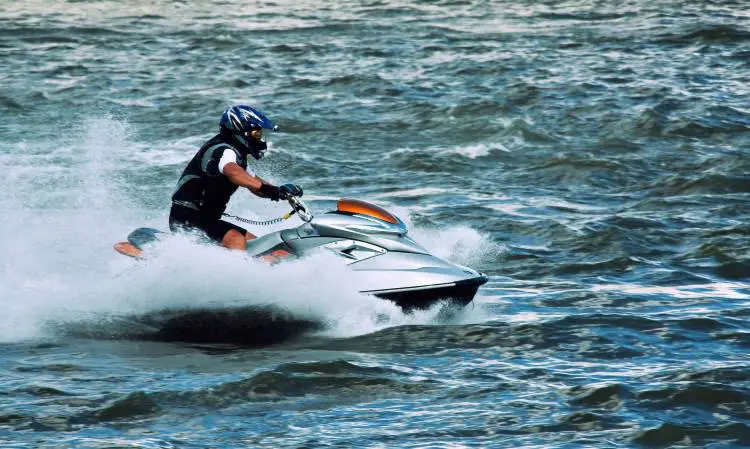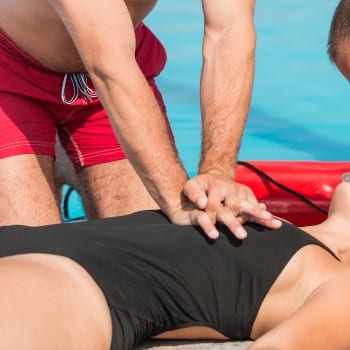
On any given day, in nearly all corners of the USA and with weather permitting, millions of Americans head to their local beaches, lakes, and pools searching for an exciting day engaging in all types of water sports.
Along with these aquatic activities comes an almost-certain rush of adrenaline as well as some inherent risks. In a majority of cases, if caution is exercised and proper equipment is worn, serious injury or death can be avoided. However, when individuals act negligently for one reason or another, it can cause serious personal injury to others.
When a fun day on the water ends in tragedy due to negligence, victims have the right to seek justice by taking legal action. If you're unsure whether you have a case, or if seeking damages after a water sports accident is right for you, contact us today for a free case review.
As the name implies, a water sports accident occurs whenever someone who is participating in some sort of aquatic sport suffers an injury. Water sports injuries can range from mild to potentially deadly depending on the type of sport.
In the modern-day, water activities are quite varied and can include:
While all of these activities can sound very exciting to participate in, they also bring significant risk due to the fact that they occur in the water.
When an individual suffers a personal injury, the incident is often quite unexpected. Victims can become shocked and have a hard time realizing what is going on. It can take a couple of minutes before they realize what has happened and which injuries they've suffered. Of course, this is only in instances where they remain conscious.
Consider that all of these aforementioned factors are still present in a water accident, but the victim is now in the water. If they are unable to stay above the surface, drowning becomes the biggest risk, even more so than that of the initial injury. It is these specific circumstances that make water sports accidents so dangerous.
The reasons for which an aquatic accident occurs are about as varied as the gamut of water sports themselves. However, here are some of the most common causes:
All water sports should be performed with some sort of life vest, at the minimum. Many others such as wakeboarding, should also be done with a helmet.
In many cases, individuals do not understand how vital it is to wear safety equipment. If the individual or private company carrying out the activity does not ensure that all participants are wearing safety equipment, they can be held liable as this could be considered negligent behavior.
A lack of experience in any context will cause mistakes to be made. When the context is a water sport, a mistake can lead to serious injury or death.
For instance, an inexperienced boater can easily collide with another watercraft or even 'drive' over someone who is in the water. For this reason, it is critical for individuals operating any kind of engine-powered vessel to be experienced and knowledgeable in doing so.
Most of us love the rush of excitement that comes over when we go fast.
When speeding in your car, there are numerous levels of safety that exist to prevent injury if something goes wrong. Seatbelts, airbags, and crumple zones in a vehicle are only the first ones that come to mind.
When dealing with a personal watercraft, these same safety measures are simply not present. As a result, speeding accidents on the water are significantly more dangerous and deadly than those that occur on land. Passengers on the boat are likely to go overboard in boating accidents and, if they're not wearing a life vest, they can easily drown.
Given the different types of watercraft, boards, aquatic settings, and even the number of simultaneous participants, the injuries resulting from water sport accidents can be quite diverse. Here are only some examples:
If you or a loved one suffered injuries of any degree in a water sports accident, you may be considering taking legal action. However, it is likely that you're unfamiliar with the options at your disposal.
Depending on the circumstances of your accident, you may be able to pursue damages and compensation from those who caused your injuries. Yet, proving that an individual's negligence or carelessness directly caused a victim's injuries can be a complex and drawn-out legal process.
For this reason, it's important to have a legal representative who knows these types of cases and can help you build a strong case.
When you hire a water sports accident attorney, you are selecting a law office with experience in your type of injury. There are specific laws that govern injuries in the water, and if you're to obtain the maximum compensation possible, you need a lawyer who knows these laws front-to-back.
Contact our team today for a free consultation with our water injury attorneys. You'll be under no obligation to retain our services after speaking with our lawyers, so you can get the answers you need completely free of cost.
Water sports accidents encompassing jet-skiing, boating, parasailing, wakeboarding, tubing, paddleboarding, white-water rafting, SCUBA diving, and snorkeling can all result in legal claims if negligence caused the injury. These accidents range from mild to potentially fatal depending on the sport and circumstances. When someone acts negligently—such as operating equipment recklessly, failing to provide proper safety gear, or ignoring warning signs—injured parties may have grounds for compensation. Aquatic Attorney has handled numerous cases involving various water sports injuries and understands the unique liability issues surrounding each activity. A free case review can help determine whether your specific water sports accident qualifies for legal action and what damages you might recover.
Negligence in water sports accidents occurs when someone fails to exercise reasonable care, directly causing your injury. This might include an operator speeding recklessly on a jet ski, a boat captain ignoring safety protocols, instructors failing to provide proper equipment, or facility owners neglecting maintenance. Key indicators include lack of warning signs, missing safety equipment, inadequate training, or violation of water safety regulations. Documenting the accident scene, gathering witness statements, and obtaining incident reports strengthens your case. Many water sports accident victims don't realize they have legal options until speaking with someone experienced in aquatic injury claims. Consulting with a firm familiar with water sports negligence helps clarify whether you have a viable claim and what evidence matters most.
Victims of water sports accidents caused by negligence may recover medical expenses, lost wages, pain and suffering, permanent disability costs, and in severe cases, wrongful death damages. The amount depends on injury severity, long-term medical needs, lost earning capacity, and emotional trauma. Aquatic Attorney evaluates each water sports accident case individually to calculate fair compensation reflecting your specific damages. Documentation is crucial—medical records, employment verification, witness statements, and expert testimony all strengthen your claim. Insurance companies often underestimate water sports accident settlements, so professional representation ensures you receive fair value. Many cases settle before trial, though some require litigation to achieve appropriate compensation for victims' injuries and losses.
The statute of limitations for water sports accident claims varies by state, typically ranging from two to six years from the injury date. However, acting quickly is critical because evidence degrades, witnesses' memories fade, and insurance companies move fast. Some water sports accident cases involve multiple liable parties—operators, equipment manufacturers, facility owners—each with different claim deadlines. Waiting too long can result in losing your right to compensation entirely. Consulting with legal representation immediately after your water sports accident ensures deadlines are met and evidence is preserved. Aquatic Attorney recommends contacting a firm within weeks of your injury to protect your rights and begin building a strong case with fresh evidence and available witnesses.
After a water sports accident, prioritize medical attention first, even if injuries seem minor. Seek emergency care and follow all medical recommendations, as some injuries manifest later. Document everything: take photos of the accident scene, equipment, and visible injuries; collect witness contact information; report the incident to facility management or authorities; and keep detailed records of all medical treatment and expenses. Avoid discussing fault or signing documents without legal review. Preserve physical evidence like damaged equipment or safety gear. Write down your recollection of events while details are fresh. These steps are essential for water sports accident claims, as they establish the incident's circumstances and your injuries' severity. Early documentation significantly strengthens your case when seeking compensation.
Yes, you can pursue water sports accident claims at public beaches and lakes, though the process differs from private property cases. Public entities have sovereign immunity in some jurisdictions, meaning special procedures and shorter notice requirements apply. You may hold responsible parties liable—operators, instructors, equipment rental companies, or maintenance contractors—even on public property. Negligence still applies: failure to warn of hazards, inadequate lifeguard presence, unsafe equipment rental, or violation of water safety regulations can create liability. Aquatic Attorney understands the complexities of public venue water sports accident cases and navigates the unique legal requirements. Consulting early ensures you follow proper procedures and meet strict deadlines that apply to claims against government entities managing public water sports areas.
Many jurisdictions follow comparative negligence rules for water sports accidents, allowing recovery even if you share partial fault. Your compensation reduces proportionally to your percentage of responsibility. For example, if you're 20% at fault for a water sports accident and damages total $100,000, you'd recover $80,000. Some states use pure comparative negligence (any recovery possible), while others use modified comparative negligence (recovery only if you're less than 50% at fault). Establishing fair fault allocation requires skilled analysis of circumstances, safety obligations, and each party's actions. Aquatic Attorney carefully examines water sports accident details to minimize your attributed fault and maximize recovery. Insurance companies often exaggerate victim fault, making professional representation essential for protecting your interests and ensuring accurate fault determination.
Most water sports accident attorneys work on contingency fees, meaning you pay nothing unless your case settles or wins at trial. The attorney typically receives 25-40% of recovered compensation, depending on case complexity and whether litigation becomes necessary. This arrangement ensures victims can afford legal representation regardless of financial circumstances. Some firms charge hourly rates or require retainers for specific services, so clarify fee structures upfront. Aquatic Attorney offers free case reviews to discuss your water sports accident and explain fee arrangements transparently. No hidden costs or surprise charges—you'll understand exactly how fees work before proceeding. This contingency model aligns the attorney's interests with yours: they succeed financially only when you recover compensation for your water sports accident injuries.
Critical evidence in water sports accident cases includes medical records documenting injuries, accident scene photographs, witness statements, incident reports filed by operators or facility staff, equipment maintenance records, safety violation documentation, and expert testimony regarding industry standards. Video footage from nearby cameras or personal devices proves invaluable. Medical expert opinions linking injuries to the accident establish causation. Maintenance records showing equipment failures or safety violations demonstrate negligence. Witness testimony corroborates your account of events. Insurance policies and coverage limits affect settlement potential. Aquatic Attorney knows which evidence types carry most weight in water sports accident litigation and guides clients in preservation and collection. Early evidence gathering prevents loss or destruction, strengthening your case significantly when pursuing compensation for your water sports accident injuries.
While witnesses strengthen water sports accident cases, they're not always required for success. Medical evidence, expert testimony, accident scene documentation, and circumstantial evidence can establish negligence and causation. However, eyewitness accounts provide powerful corroboration of how your water sports accident occurred and who acted negligently. Witness credibility matters—disinterested parties carry more weight than friends or family. Multiple witnesses viewing the same water sports accident from different angles provide comprehensive accounts. If witnesses are unavailable, recorded statements, written accounts, or deposition testimony can substitute. Video footage from security cameras or bystanders sometimes replaces live witness testimony. Aquatic Attorney locates and interviews available witnesses promptly after water sports accidents, preserving their recollections while memories remain fresh and before they become unavailable or forget crucial details.
A water sports accident settlement is a negotiated agreement where the defendant pays agreed compensation without court proceedings. Settlements offer certainty, faster resolution, and privacy—details remain confidential. However, you receive less than requested amounts as compromise. A trial verdict results from a judge or jury decision after presenting evidence and arguments. Verdicts can exceed settlement offers if evidence strongly supports your water sports accident claim, but trials involve uncertainty and longer timelines. Most water sports accident cases settle before trial because both parties prefer avoiding litigation costs and unpredictable outcomes. Aquatic Attorney evaluates settlement offers against trial potential, advising whether accepting proposed compensation serves your interests. Either path aims to maximize your recovery for water sports accident injuries, medical expenses, and suffering through strategic negotiation or compelling courtroom presentation.
Yes, family members can pursue wrongful death claims when negligence causes fatal water sports accidents. Surviving spouses, children, and parents typically have legal standing to recover compensation for lost financial support, funeral expenses, and emotional loss. Wrongful death damages in water sports accident cases may exceed injury claims because they account for the victim's lost lifetime earnings and companionship. Some jurisdictions allow recovery for grief and loss of society. Establishing negligence in fatal water sports accidents requires proving the defendant's actions directly caused death and violated duty of care. These emotionally complex cases demand compassionate yet aggressive representation. Aquatic Attorney handles wrongful death water sports accident claims with sensitivity and determination, ensuring families receive fair compensation while holding negligent parties accountable for their fatal actions.
Water sports accident case timelines vary significantly based on complexity, injury severity, and whether settlement occurs or trial becomes necessary. Simple cases with clear negligence and minor injuries may settle within months. Complex cases involving multiple parties, serious injuries, or disputed liability can take 1-3 years or longer. Settlement negotiations typically begin after medical treatment stabilizes and damages become clearer. Pre-trial discovery—exchanging evidence and depositions—extends timelines. Trial preparation and courtroom proceedings add additional months. Insurance companies sometimes delay water sports accident claims strategically, hoping victims accept lower offers due to financial pressure. Aquatic Attorney pursues efficient resolution while refusing to accept inadequate settlements prematurely. Understanding realistic timelines helps you plan financially and emotionally while your water sports accident claim progresses toward fair compensation.
If the negligent party lacks insurance coverage for the water sports accident, recovery becomes more challenging but not impossible. You may pursue personal injury claims directly against the individual, though collecting from uninsured defendants proves difficult if they lack substantial assets. Your own insurance policies may provide coverage: uninsured motorist protection applies to some water sports accidents, and homeowner's or umbrella policies sometimes cover aquatic incidents. Facility liability insurance may cover water sports accidents occurring at commercial venues. Some states require operators to carry minimum insurance for water sports activities. Aquatic Attorney investigates all potential insurance sources and asset recovery options when the primary defendant lacks coverage. Creative legal strategies and thorough asset investigation sometimes recover compensation even from uninsured parties, ensuring your water sports accident injuries don't go uncompensated due to the defendant's lack of insurance.
Homeowner's and renter's insurance policies may cover water sports accident liability depending on specific policy language and where the accident occurred. Coverage typically applies if the accident happens on your property and you're liable for guest injuries. However, most standard policies exclude or limit coverage for water sports accidents, particularly those involving motorized equipment like jet skis or boats. Boat owners need separate marine liability insurance for water sports accidents. Umbrella policies sometimes extend coverage for water sports accident claims exceeding standard policy limits. Policy exclusions vary significantly, so reviewing your specific coverage is essential. Aquatic Attorney helps identify all available insurance sources for your water sports accident claim, maximizing recovery potential. Understanding your own insurance coverage and the defendant's policies ensures comprehensive compensation recovery for your water sports accident injuries and losses.
Water sports accident operators face liability when they breach their duty of care toward participants. Operators must maintain equipment properly, provide adequate safety gear, follow industry standards, warn of hazards, and operate responsibly. Liability arises from reckless operation—excessive speed, ignoring weather conditions, operating while impaired, or failing to follow safety protocols. Inadequate training or failure to assess participant fitness for the activity creates liability. Operating beyond equipment capacity or in dangerous conditions demonstrates negligence. Operators have heightened responsibility because participants depend on their judgment and expertise. Violations of maritime regulations or water safety laws establish liability more easily. Aquatic Attorney examines operator conduct thoroughly to establish negligence in water sports accident cases. Proving operators breached their duty of care strengthens your claim and increases settlement or verdict amounts for your water sports accident injuries.
Yes, equipment manufacturers can face liability for water sports accidents if defects or design flaws cause injuries. Defective jet skis, boats, wakeboards, or safety equipment that fails unexpectedly may create manufacturer liability. Design defects occur when safer alternatives existed; manufacturing defects result from production errors; inadequate warnings fail to inform users of known hazards. Manufacturers must meet industry safety standards and conduct adequate testing. Failure to recall known dangerous products demonstrates negligence. Product liability claims against manufacturers complement claims against operators or facilities, expanding recovery potential. Investigating equipment history, maintenance records, and prior incidents reveals patterns suggesting defects. Aquatic Attorney pursues product liability claims alongside operator negligence claims in water sports accident cases, holding manufacturers accountable when their products contribute to injuries. Multiple defendants increase settlement leverage and compensation recovery for your water sports accident damages.
Water sports operators must follow industry standards and regulations designed to prevent accidents and protect participants. Standards include proper equipment maintenance and inspection, providing Coast Guard-approved safety gear, conducting participant safety briefings, maintaining adequate insurance, following weather and water condition guidelines, limiting participant numbers based on equipment capacity, and ensuring operator certification and training. Operators should verify participant swimming ability and fitness for activities, maintain communication systems, establish emergency protocols, and monitor participants continuously. Regulations vary by activity—jet ski operators face different requirements than white-water rafting guides. Violations of these standards demonstrate negligence in water sports accident cases. Understanding applicable safety standards helps identify operator failures contributing to your injury. Aquatic Attorney references industry standards and regulations when establishing negligence in water sports accident claims, proving operators failed to meet their duty of care and caused your injuries through preventable violations.
Proving negligence in water sports accident cases requires establishing four elements: the defendant owed you a duty of care, they breached that duty, the breach caused your injury, and you suffered damages. Water sports operators owe participants a duty to operate safely, maintain equipment, provide proper training, and warn of hazards. Breach occurs when operators act recklessly, ignore safety protocols, or fail to maintain standards. Causation connects the breach directly to your injury—the accident wouldn't have occurred without the negligent conduct. Damages include medical expenses, lost wages, pain and suffering, and permanent injury effects. Evidence proving each element includes witness testimony, expert opinions on industry standards, medical records, accident scene documentation, and operator conduct records. Aquatic Attorney systematically establishes all four negligence elements through thorough investigation and compelling presentation, building strong water sports accident cases that maximize your compensation recovery for injuries caused by defendant negligence.
When multiple parties contributed to your water sports accident, you can pursue claims against all negligent defendants simultaneously. This might include the operator, equipment manufacturer, facility owner, maintenance contractor, or safety equipment provider. Multiple defendants increase total available insurance coverage and settlement potential. Each defendant bears responsibility proportional to their negligence contribution. Joint and several liability rules in some jurisdictions allow recovery of full damages from any defendant, even if others share fault. Coordinating claims against multiple defendants requires strategic case management and thorough investigation of each party's role. Aquatic Attorney identifies all potentially liable parties in water sports accident cases, ensuring comprehensive claims that maximize recovery. Pursuing multiple defendants simultaneously strengthens your negotiating position and increases likelihood of full compensation for your water sports accident injuries and losses.