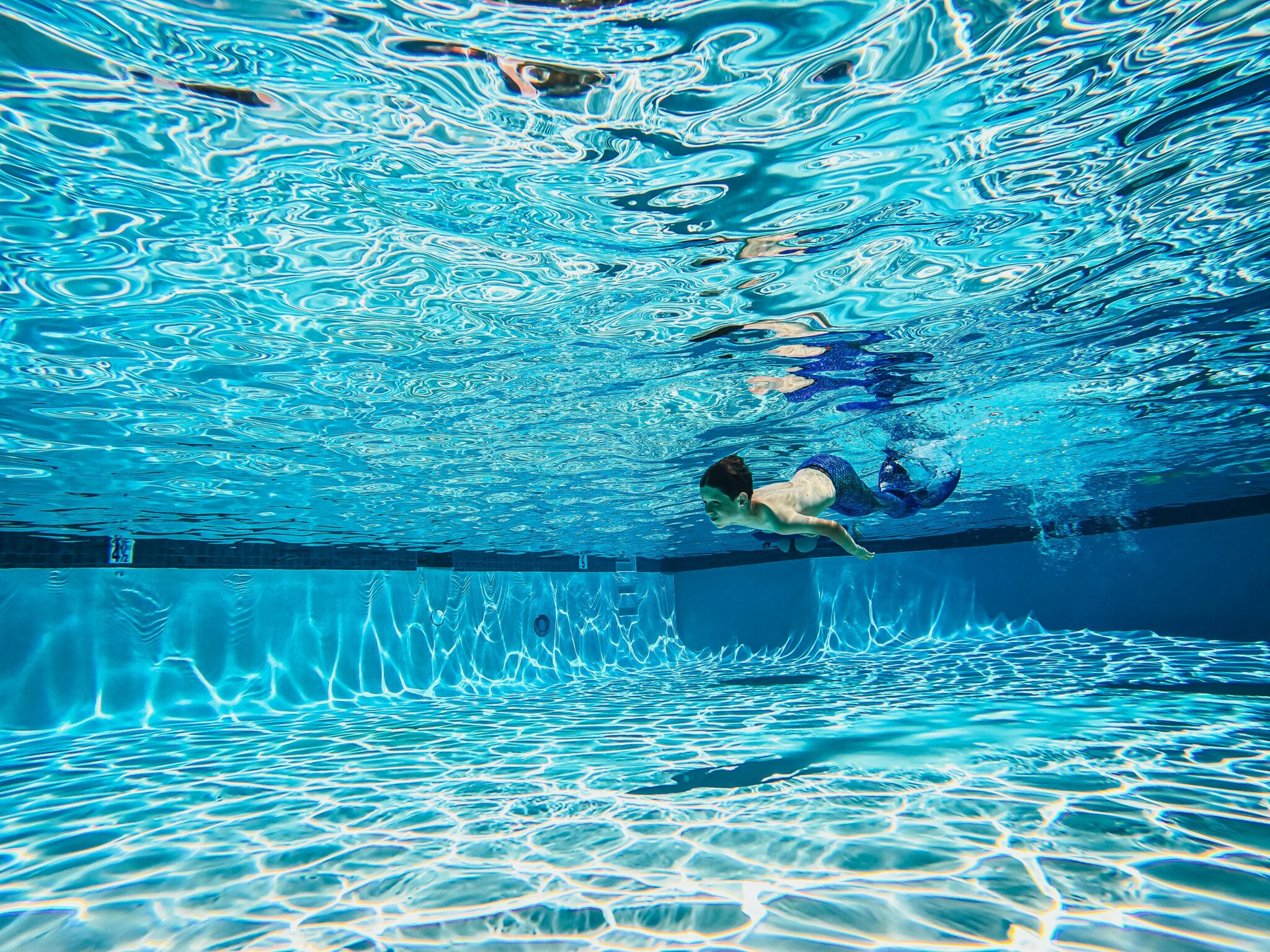
Drowning incidents in New Jersey, whether in private backyards or public pools, remain a significant concern for families and communities. Statistics indicate that drownings and non-fatal drownings continue to pose serious risks, especially for children. Such tragic events underscore the importance of having a qualified pool drowning lawyer in New Jersey to navigate the complexities of these cases. Factors like inadequate supervision and unsafe pool conditions often contribute to these incidents. Seeking legal representation is crucial for victims and their families, as a pool drowning lawyer in New Jersey can help secure justice and compensation for their losses, making a profound difference during such difficult times.
Drowning incidents remain a significant concern in the state of New Jersey. Statistics indicate that a considerable number of these tragedies occur in public swimming pools. This highlights the importance of proper safety measures and supervision. Engaging a pool drowning lawyer New Jersey can provide vital support for those affected by these incidents. Many swimmers, including children, participate in swimming lessons every summer, yet dangers still lurk if safety protocols are not strictly observed.
The potential for drowning can increase in environments where negligence is present. For instance, poorly maintained swimming pools or lack of lifeguards can contribute to accidents. Victims of drowning incidents may qualify for compensation and should consider consulting personal injury lawyers experienced in these matters. A specialized pool drowning lawyer understands the nuances of these cases and can help hold negligent parties accountable. The alarming statistics surrounding swimming pool accidents should urge families to prioritize safety and legal recourse when necessary.
Swimming pool accidents often occur due to a combination of environmental and human factors. For example, inadequate pool fencing is a common issue that can leave swimmers vulnerable, particularly in public pools and wading pools. The New Jersey Department of Community Affairs sets guidelines for safety measures that aim to prevent such accidents, yet many facilities fail to comply with these standards. A pool drowning lawyer in New Jersey can provide insight into how these negligence factors contribute to drowning incidents, especially in cities like Jersey City and Colonia.
Human error plays a significant role in swimming pool accidents as well. In many cases, lack of supervision during recreational activities can lead to tragic outcomes. Busy public pools may have inadequate lifeguard coverage, which increases the risk for swimmers of all ages, particularly children. This negligence emphasizes the importance of taking legal action when necessary. Those affected can benefit from consulting a pool drowning lawyer in New Jersey to understand their rights and navigate the complexities of liability in such tragic scenarios.
A pool drowning lawyer in New Jersey plays a crucial role in advocating for victims and their families following tragic incidents. With a strong focus on water safety, these attorneys possess deep knowledge of the legal landscape surrounding drowning cases, including diving accidents and the responsibilities of lifeguards. Trial attorneys specializing in this field understand the complexities of litigation that can arise from such incidents, ensuring that victims' rights are upheld. By gathering evidence and building compelling cases, a pool drowning lawyer in New Jersey can effectively present arguments to a jury, addressing negligence and safety violations that may have led to the tragedy. This specialized legal representation is vital for achieving justice and securing compensation for those affected by pool-related accidents.
After a drowning incident, having a pool drowning lawyer in New Jersey can be crucial in navigating the complexities of legal liability. These professionals understand the nuances of state laws concerning personal watercraft and swimming pools. They can assess the potential for lawsuits and the types of legal representation necessary to pursue compensation for injuries sustained in the accident. Without experienced guidance, victims may struggle to establish liability and secure the justice they deserve.
Trial lawyers specializing in drowning cases are equipped to handle the emotional and physical aftermath of such tragedies. Their knowledge of how to gather evidence and interview witnesses can significantly impact the outcome of a case. Engaging a pool drowning lawyer in New Jersey ensures that the victim's rights are protected, allowing families to focus on healing while their legal matters are managed competently. Having skilled legal representation can make a vital difference in securing the relief needed to cope with the complexities stemming from a tragic incident in the water.
A pool drowning lawyer in New Jersey plays a vital role in navigating the complexities of a drowning incident case. These specialized attorneys understand the intricacies of premises liability, which can be essential in establishing responsibility for accidents that occur in or around a swimming pool. Experience in local laws empowers drowning injury attorneys to effectively advocate for victims and their families, holding negligent parties accountable in cases ranging from pediatric pool drownings to adult incidents.
A New Jersey swimming pool accident lawyer brings invaluable skills in gathering evidence and building a compelling case. This includes dealing with insurance companies and negotiating settlements that reflect the seriousness of the injury. Those impacted by a drowning incident often face emotional and financial burdens, and with the support of drowning accident attorneys, they can pursue the compensation they deserve. The knowledge and experience of a pool drowning lawyer in New Jersey can significantly influence the outcome of your case, ensuring that all aspects are thoroughly examined and addressed.
Negligence in pool maintenance and inadequate supervision are leading factors contributing to swimming pool accidents in New Jersey. Many drowning incidents occur due to the failure of property owners to maintain safety standards, often resulting in increased drowning rates and various drowning-related injuries. A pool accident lawyer can assist victims and their families in proving swimming pool liability, helping to hold responsible parties accountable. Pool drowning lawyers in New Jersey provide valuable support for those affected by a drowning accident, guiding them through the complexities of legal claims and ensuring that victims receive fair compensation for their losses. Those impacted by such tragedies can find solace in the experienced swimming pool accident lawyers, who work diligently to address the emotional and financial repercussions of these distressing events.
Neglect in proper pool maintenance can lead to severe consequences, including unintentional drowning and non-fatal drowning events. A pool drowning lawyer in New Jersey focuses on cases involving drowning-related incidents stemming from inadequate upkeep. Issues like poor water quality, malfunctioning safety equipment, or lack of appropriate barriers can contribute to accidental drownings. These failures not only compromise safety but may also establish grounds for liability against property owners.
Drowning accident injuries often result from a failure to meet safety standards in pool environments. A skilled pool accident attorney understands how to navigate the complexities of pool liability, empowering victims and their families to seek justice. Non-fatal drowning incidents can leave lasting effects, and addressing maintenance negligence is crucial for preventing future tragedies. Engaging a knowledgeable pool drowning lawyer in New Jersey can be essential in holding negligent parties accountable for their roles in these tragic events.
The lack of proper supervision can significantly contribute to the risk of drowning accidents. Many drownings occur in residential pools where adults may assume children are safe without direct supervision. The dangers of non-fatal drowning accidents escalate rapidly, especially in environments where safety measures are not strictly enforced. In tragic cases, the absence of vigilant observers can lead to fatal drownings and devastating consequences for pool accident victims and their families. A skilled pool drowning lawyer in New Jersey can help address these neglectful scenarios in legal proceedings.
Effective safety measures are critical to preventing swimming pool accidents. Proper fencing, signage, and life-saving devices should be readily available to reduce the likelihood of child drowning incidents. Unfortunately, neglecting these preventative steps can result in pool tragedies that haunt families for a lifetime. The implications of such negligence can be overwhelming for those affected. Engaging a knowledgeable pool drowning lawyer in New Jersey can ensure that all responsible parties are held accountable for their failure to provide a safe swimming environment.
Victims of drowning incidents in New Jersey have various legal options available to seek justice and compensation for their suffering. A pool drowning lawyer in New Jersey specializes in handling cases related to both fatal and nonfatal drowning incidents, including those resulting from pool accidents and pool injuries. Child drownings are particularly tragic, often stemming from inadequate supervision in private swimming pools or inadequate pool safety measures. Legal claims can arise from negligence related to these incidents, allowing victims and their families to address the emotional and financial burdens caused by such pool incidents. Understanding the different types of claims and the implications of pool accidents is crucial for any victim or their loved ones navigating the aftermath of a drowning event.
Pool drowning incidents can lead to various types of claims, especially in cases involving fatal drowning accidents. Victims or their families may pursue legal action against pool owners for negligence. A pool drowning lawyer New Jersey can help navigate the complexities surrounding unsafe pool covers and inadequate safety measures. These claims often highlight the responsibilities of pool owners to maintain a safe environment to prevent child-drowning deaths and pool-related injuries.
Victims of pool-related accidents may also seek compensation for emotional trauma and financial losses stemming from such tragedies. Claims can include medical expenses, loss of income, and pain and suffering. Engaging with pool experts can strengthen a case by providing insight into safety standards and best practices. A skilled pool drowning lawyer in New Jersey will gather evidence and build a strong case to ensure victims receive the justice they deserve.
Determining liability in swimming pool accidents often involves assessing compliance with pool safety rules and standards. Many pool facilities must adhere to federal pool safety guidelines that address the necessity of proper pool barriers and supervision. Failure to implement these regulations can lead to tragic incidents, making it essential for families affected by pool-related injury to consult with a pool drowning lawyer New Jersey. These legal professionals can evaluate the circumstances of each case, focusing on whether owners or operators upheld their responsibilities regarding pool safety.
Various parties may share liability in a drowning incident or pool-related injury. If negligence is proven, homeowners, pool contractors, and management companies are all potential defendants. Pool safety experts can provide insight into whether adequate safety measures were in place in the pool area. Engaging a qualified pool drowning lawyer in New Jersey ensures that victims receive the appropriate guidance through the complexities of liability claims, empowering them to seek justice and compensation for their losses.
Selecting the appropriate pool drowning lawyer in New Jersey is vital for ensuring effective representation in cases involving swimming pool accidents. An ideal attorney will have a profound understanding of New Jersey law related to swimming pool maintenance and safety. Their experience should extend to addressing issues like defective pools and negligent pool owners, who may fail to uphold helpful pool safety measures. Experienced swimming pool lawyers can provide crucial insights into recent swimming pool incidents and advocate for victims' rights. Knowledge of home pool safety regulations is essential, as is familiarity with the specific responsibilities of pool manufacturers. This foundation can significantly enhance the strength of your legal case and the likelihood of obtaining fair compensation.
Finding the right pool drowning lawyer in New Jersey is crucial for navigating the complexities of a drowning case. An ideal attorney should have a deep understanding of state laws regarding pool safety, including regulations related to pool hours and the necessity of a secure swimming area. Experience with cases such as a Bloomfield pool accident will ensure that the lawyer possesses the experience to address issues involving negligent pool owners and inadequate safety measures, including non-gated pool areas and defective pool toys.
Potential clients should also seek a lawyer well-versed in the nuances of pool equipment safety and maintenance. A knowledgeable attorney will advocate for the rights of victims and their families, ensuring accountability among negligent parties. Look for a pool drowning lawyer in New Jersey who demonstrates a genuine commitment to fighting for your case, providing personalized attention while developing a comprehensive strategy to secure the justice you deserve.
As you prepare for your initial consultation with a pool drowning lawyer in New Jersey, it’s essential to inquire about their experience with personal injury lawsuits specific to swimming pool incidents. Understanding their familiarity with the regulations set forth by the New Jersey Department of Health can provide insight into how well they navigate cases involving residential pool owners and commercial swimming pools. You may want to ask about their knowledge of safety measures, such as the role of inflatable swimming aids and the potential risks associated with varying pool widths.
Exploring the lawyer’s approach to handling claims involving formal swimming lessons can also highlight their experience. Questions about previous cases they’ve managed related to drownings in private and public pools will help gauge their effectiveness. By discussing how they interpret New Jersey state laws surrounding lapses in supervision or inadequate safety measures, you can better understand their strategy for your case. Engaging with these queries ensures that you are prepared to secure competent legal representation.
Filing a drowning lawsuit in New Jersey involves a meticulous process that requires attention to detail and relevant evidence. A pool drowning lawyer in New Jersey can assist in gathering essential information, such as maintenance records of pool cleaning equipment and any documentation related to pool equipment malfunction. Identifying factors like unsafe diving conditions, improper diving practices, or inadequate barriers around above-ground pools is crucial for establishing liability. Utilizing resources like poolsafely.gov can help victims and their families understand the legal landscape. A personal injury attorney specializing in drowning incidents will navigate the complexities of the case, ensuring that all facets related to pool components are thoroughly examined, leading to a stronger legal position.
Building a strong case after a drowning incident necessitates collecting precise evidence. Pool drowning lawyers in New Jersey emphasize the importance of documenting the scene and gathering witness statements. This is especially critical in private pools where inadequate pool supervision may have contributed to the tragedy. Evidence might include photographs of the pool area, maintenance records, and any relevant safety warnings. Collaborating with qualified injury attorneys and accident lawyers will ensure that all pertinent details related to the incident are meticulously compiled.
A thorough investigation into the circumstances surrounding the drowning can reveal critical information about potential liability. This might involve identifying the pool component manufacturer and examining whether faulty equipment contributed to the accident. An accident lawyer can assist in evaluating the specific conditions of the pool, particularly in cases involving diving accidents. Engaging skilled accident attorneys early in the process helps to establish a comprehensive case that considers all possible factors leading to the drowning. Pool drowning lawyers in New Jersey are prepared to navigate these complexities effectively.
The legal proceedings following a drowning incident in New Jersey can be complex. A pool drowning lawyer in New Jersey will begin by helping victims and their families gather essential evidence to support the case. This may involve collecting witness statements, photographs of the scene, and medical records that detail water-related injuries. Understanding the specific circumstances surrounding the incident, such as the presence of small wading pools or inadequate safety measures, is crucial for establishing liability.
Once the evidence is gathered, the accident attorney will work on filing the necessary paperwork, which could lead to negotiations or a personal injury trial. Liability lawyers play a key role in determining the responsibility of the parties involved, whether it’s a property owner or a supervising adult. For cases involving New Jersey child victims or wrongful death litigation, these steps are vital to pursuing justice and compensation for the affected families. A dedicated pool drowning lawyer in New Jersey will guide clients through each phase of the legal process, ensuring their rights are protected.
Compensation for drowning victims can vary significantly based on the circumstances of the incident. A pool drowning lawyer in New Jersey is essential for navigating the complexities surrounding cases involving home pools, especially in-ground pools and shallow water incidents. Victims of spa accidents or other pool-related incidents can seek restitution for medical expenses, lost wages, and emotional suffering. Proficient trial attorneys, including premises liability attorneys, are crucial for establishing liability and advocating for personal injury victims. Contact a lawyer today to discuss potential claims and ensure that you understand your rights as you pursue justice for those affected by tragic underwater incidents.
Victims of drowning incidents in New Jersey may recover various types of damages through their injury case. These damages can include medical expenses for treatment related to the drowning, lost wages due to time away from work, and compensation for lasting disabilities. A skilled pool drowning lawyer can help determine the specific damages applicable based on the circumstances, taking into account factors such as maintenance of pool grates and overall safety measures in-ground pools.
Emotional trauma can also play a significant role in the damages sought in drowning cases. Victims and their families may experience profound psychological effects from the incident, which are recognized under personal injury law. Legal representation becomes crucial when navigating these complexities. Premises liability lawyers understand how jury verdicts can vary based on the details of the case, especially concerning summer swim activities and many watersports. Engaging a pool drowning lawyer in New Jersey ensures that all potential damages, including non-economic ones, are thoroughly pursued.
Emotional trauma resulting from incidents such as drowning or injuries in water-related activities can have a profound impact on legal claims. A pool drowning lawyer in New Jersey understands that victims and their families often experience long-lasting psychological effects following an accident, whether it is due to a boating accident or a spa accident. These emotional challenges can influence the pursuit of compensation, as they highlight the broader implications of negligence and liability in a case.
Addressing emotional trauma is crucial for establishing a comprehensive legal strategy. A pool drowning lawyer New Jersey will incorporate evidence of emotional distress into the claim, emphasizing how the trauma has affected the victim's life and well-being. This aspect not only strengthens the case but also underscores the need for accountability in incidents involving water and safety measures.
In the event of a non-fatal drowning or any situation involving drowning-related accidents in Colonia, New Jersey, it is vital to seek immediate medical assistance. Additionally, if there are fatalities associated with pool tragedies, contacting New Jersey drowning and swimming pool accident lawyers is crucial. They can help you understand your rights regarding pool safety and what measures—such as ensuring pool security with above-ground pool barriers—need to be taken to prevent further incidents. Remember, all pools present a risk if they are not properly secured, and this includes aspects related to New Jersey boating as well.
New Jersey swimming pool accident lawyers are experienced in handling cases related to pool tragedies and fatal pool incidents. They can investigate the circumstances surrounding a pool accident, represent the rights of the victims, and ensure that responsible parties are held accountable. Their experience includes understanding how to secure evidence and determining if all safety measures were appropriately in place to keep the pool secure.
If you find yourself involved in a pool tragedy, it's crucial to document the incident by taking notes and gathering evidence. You should also contact local authorities to report the situation. Seeking legal advice from professionals who specialize in the pool, including accident cases, is essential to understand your rights and potential compensation options.
Common causes of swimming pool accidents in New Jersey include lack of supervision, slippery surfaces, improper pool maintenance, and failure to adhere to safety regulations.
Victims of pool drownings in New Jersey can seek legal options such as filing a personal injury claim or a wrongful death lawsuit, depending on the circumstances surrounding the incident. It’s important to consult with a qualified pool drowning lawyer who can guide you through the legal process and help you understand your rights and potential compensation.
After a drowning incident, prioritize emergency medical care by calling 911 immediately. Document everything you remember about the incident, including time, location, witnesses, and pool conditions. Preserve any evidence related to safety failures, maintenance records, or supervision lapses. Contact a New Jersey drowning lawyer as soon as possible to protect your legal rights. Many cases have strict filing deadlines, and early legal intervention helps preserve critical evidence. An experienced drowning lawyer can guide you through reporting requirements and ensure you understand your options for pursuing compensation while you focus on recovery and family support.
Yes, you may have grounds for a lawsuit if negligence contributed to your child's drowning in a New Jersey public pool. Potential liable parties include the pool facility, lifeguards, maintenance staff, or the municipality operating the pool. Common negligence factors include inadequate supervision, failure to maintain proper water quality, missing or untrained lifeguards, and unsafe conditions. A pool drowning lawyer in New Jersey can investigate whether the facility violated safety standards or failed in their duty of care. These cases are complex and require thorough documentation of how negligence directly led to the incident. Consulting with a qualified drowning lawyer promptly ensures your claim is filed within New Jersey's statute of limitations.
In New Jersey, the statute of limitations for personal injury claims, including drowning cases, is generally two years from the date of the incident. However, if the victim is a minor, the clock may not start until they reach the age of majority. Cases involving government entities, such as municipal pools, have different notice requirements and shorter timeframes for filing. These strict deadlines make it critical to contact a New Jersey drowning lawyer immediately after an incident. Waiting too long can result in losing your right to pursue compensation entirely. An experienced drowning lawyer understands these nuances and will ensure all procedural requirements are met to protect your family's legal rights.
Compensation in a New Jersey drowning case may include medical expenses, funeral and burial costs, lost wages, pain and suffering, and loss of consortium. In cases of wrongful death, surviving family members can pursue damages for the loss of companionship, guidance, and financial support the deceased would have provided. Punitive damages may also be available if the defendant's conduct was particularly reckless or negligent. The specific damages available depend on the circumstances of your case and the degree of negligence involved. A pool drowning lawyer in New Jersey can evaluate your situation and help determine what compensation you may be entitled to. Each case is unique, and understanding the full scope of potential recovery requires professional legal analysis.
To prove negligence in a pool drowning case, you must establish that the defendant owed a duty of care, breached that duty, and caused injury as a result. Pool operators have a legal duty to maintain safe conditions, provide adequate supervision, employ trained lifeguards, and follow New Jersey safety regulations. Evidence of negligence may include missing lifeguards, poor water quality, inadequate drain covers, lack of rescue equipment, or failure to enforce safety rules. Drowning lawyers often work with expert witnesses who can testify about industry standards and safety violations. Documentation, witness statements, maintenance records, and incident reports are crucial. An experienced New Jersey drowning lawyer knows how to gather and present evidence effectively to establish negligence and hold responsible parties accountable.
Lifeguards have a critical responsibility to monitor swimmers and respond quickly to emergencies. In New Jersey, lifeguards must be properly trained, certified, and attentive to their duties. Negligence can occur if a lifeguard is absent, inadequately trained, distracted, or fails to respond appropriately to a drowning emergency. Pool facilities can also be liable for hiring unqualified lifeguards or failing to maintain proper staffing ratios. If a lifeguard's negligence contributed to a drowning, both the individual and the facility may be held responsible. Aquatic Attorney has handled cases where lifeguard failures directly led to tragic outcomes. Evidence of lifeguard negligence, such as surveillance footage or witness testimony, strengthens your case significantly and helps establish liability.
Yes, private pool owners in New Jersey can be held liable for drowning incidents if they failed to maintain safe conditions or provide adequate supervision. Homeowners have a duty to ensure their pools meet safety standards, including proper fencing, drain covers, rescue equipment, and warning signs. If a guest or trespasser drowns due to the owner's negligence, the owner may be responsible for damages. Liability depends on factors like whether the victim was invited, the owner's knowledge of the hazard, and whether reasonable precautions were taken. New Jersey law recognizes the concept of premises liability, which holds property owners accountable for injuries occurring on their property. A drowning lawyer can determine whether a private pool owner's negligence contributed to the incident and pursue appropriate compensation for your family.
New Jersey pools must comply with state and federal safety regulations, including requirements for lifeguards, water quality testing, drain safety, fencing, and rescue equipment. The Virginia Graeme Baker Pool and Spa Safety Act mandates anti-entrapment drain covers to prevent suction injuries. New Jersey also requires pools to maintain proper chlorine levels, pH balance, and circulation systems to prevent illness and ensure water clarity. Facilities must conduct regular inspections and maintain detailed records of maintenance and safety measures. Lifeguards must be certified and present during operating hours. Violations of these standards can constitute negligence in a drowning case. Aquatic Attorney works with safety experts to identify code violations and establish how non-compliance contributed to drowning incidents, strengthening your legal claim.
The timeline for a New Jersey drowning lawsuit varies significantly based on case complexity, liability clarity, and whether settlement negotiations succeed. Simple cases with clear liability may settle within six months to a year, while complex cases involving multiple parties or disputed facts can take two to five years or longer. Litigation involves discovery, expert reports, depositions, and potentially trial. Some cases settle before trial, while others require a jury verdict. The emotional and financial toll on families makes early resolution preferable when possible. An experienced New Jersey drowning lawyer will pursue fair compensation efficiently while preparing for trial if necessary. Understanding realistic timelines helps families plan for their future and make informed decisions about settlement offers versus continued litigation.
Critical evidence in a pool drowning case includes surveillance footage, witness statements, medical records, autopsy reports, pool maintenance logs, and lifeguard schedules. Photographs of unsafe conditions, drain covers, and signage are valuable. Expert testimony regarding water quality, safety violations, and industry standards strengthens your case significantly. Incident reports filed with the facility and any prior complaints about safety issues demonstrate a pattern of negligence. Communication records between facility management and staff can reveal knowledge of hazards. Aquatic Attorney works with investigators to preserve and collect evidence before it's lost or destroyed. Early legal intervention ensures proper documentation and prevents evidence tampering. The strength of your evidence directly impacts your ability to recover fair compensation for your family's loss.
Yes, you can sue a New Jersey municipality for a drowning at a public pool, but the process differs from suing private entities. Municipalities have sovereign immunity protections, but they can still be held liable for negligence under certain circumstances. You must file a notice of claim with the municipality within 90 days of the incident, which is a critical procedural requirement. Failure to meet this deadline can bar your lawsuit entirely. A New Jersey drowning lawyer understands the unique procedural requirements for municipal liability cases and will ensure all notices and filings are completed correctly. The municipality's duty of care includes maintaining safe pool conditions, employing qualified lifeguards, and following state safety regulations. With proper legal representation, families can hold municipalities accountable for negligence that leads to drowning incidents.
A wrongful death claim is filed when a drowning results in death, typically by surviving family members seeking compensation for their loss. A personal injury claim is filed when the victim survives but suffers injuries. Wrongful death claims can recover damages for funeral expenses, lost financial support, loss of companionship, and pain and suffering experienced before death. Personal injury claims focus on medical expenses, rehabilitation costs, ongoing care needs, and the victim's pain and suffering. Both types of claims require proving negligence caused the incident. The damages available and eligible claimants differ between the two claim types. A pool drowning lawyer in New Jersey can explain which type of claim applies to your situation and help maximize your recovery. Understanding these distinctions is essential for pursuing the appropriate legal action.
Deciding whether to accept a settlement offer requires careful consideration of the offer amount, case strength, and your family's needs. A fair settlement should cover all past and future medical expenses, lost wages, pain and suffering, and other documented damages. Consider whether the offer adequately compensates for long-term care needs, ongoing therapy, or lost earning potential. Rejecting an offer means continuing litigation with associated costs, delays, and uncertainty about trial outcomes. However, inadequate settlements may leave your family financially vulnerable. An experienced New Jersey drowning lawyer can evaluate whether an offer is fair and advise you on the risks and benefits of accepting or rejecting it. Your lawyer should present settlement options clearly so you can make an informed decision that serves your family's best interests.
Look for a New Jersey drowning lawyer with extensive experience handling drowning and water-related injury cases. The lawyer should be licensed to practice in New Jersey and have a strong track record of successful outcomes in similar cases. Relevant certifications, memberships in professional organizations, and continuing education in personal injury law demonstrate commitment to the field. The lawyer should have access to expert witnesses, investigators, and resources necessary to build a strong case. Consider their communication style, availability, and willingness to answer your questions thoroughly. Check client reviews and testimonials to gauge their reputation and client satisfaction. A qualified drowning lawyer should offer a free initial consultation to discuss your case and explain your legal options without pressure. Trust and clear communication are essential when working with your legal representative during such a difficult time.
Most New Jersey drowning lawyers work on a contingency fee basis, meaning they only collect payment if you win your case or reach a settlement. Contingency fees typically range from 25% to 40% of the recovery, depending on the complexity and stage of litigation. This arrangement allows families to pursue justice without upfront legal costs, making representation accessible during a difficult time. Some lawyers may charge hourly rates or flat fees for specific services, so clarify fee arrangements during your initial consultation. Ask about additional costs such as expert witness fees, court filing fees, and investigation expenses. Aquatic Attorney offers transparent fee discussions so you understand exactly what to expect. Understanding the financial arrangement helps you make an informed decision about hiring representation and planning your recovery strategy.
If a loved one nearly drowned but survived, seek immediate medical attention to assess for secondary drowning and other complications. Even if they appear fine initially, drowning victims can experience serious health effects hours or days later. Document all medical treatment, diagnoses, and ongoing care needs. Preserve evidence of the incident, including photographs, witness contact information, and details about pool conditions and supervision. Report the incident to the facility management and request copies of incident reports and safety records. Contact a New Jersey drowning lawyer promptly to discuss whether negligence contributed to the near-drowning. These cases can result in significant damages for medical expenses, therapy, and long-term care needs. Aquatic Attorney can investigate the circumstances and help determine liability while your loved one focuses on recovery and rehabilitation.
Yes, you can pursue a drowning case even if the victim had a pre-existing medical condition. Negligence is still actionable if the pool operator failed to maintain safe conditions or provide adequate supervision. Pre-existing conditions may complicate causation analysis, but they do not eliminate liability if negligence was a substantial factor in the drowning. For example, if a pool operator knew a swimmer had a heart condition and failed to provide proper lifeguard coverage, they could still be liable. Expert medical testimony may be necessary to establish the relationship between negligence and the drowning. A New Jersey drowning lawyer can work with medical experts to demonstrate how the facility's negligence contributed to the incident despite pre-existing health factors. Each case is unique, and professional legal analysis is essential to determine your options.
When multiple parties share responsibility for a drowning incident, New Jersey's comparative negligence laws apply. Each responsible party can be held liable for their proportionate share of damages. Potentially liable parties may include the pool facility, lifeguards, maintenance staff, manufacturers of faulty equipment, or municipalities. Your recovery may be reduced if the victim is found partially at fault, but you can still recover damages. Identifying all responsible parties is crucial for maximizing your compensation. Aquatic Attorney investigates thoroughly to determine all parties who contributed to the incident. Complex multi-party cases require coordinated legal strategy and expert analysis. Your lawyer will pursue claims against all responsible parties to ensure your family receives full compensation for the tragedy. Understanding liability distribution helps explain how the drowning occurred and who bears financial responsibility.
Criminal charges may be filed in drowning cases if negligence rises to the level of criminal conduct. Depending on circumstances, charges could include manslaughter, criminally negligent homicide, or child endangerment. Criminal cases are separate from civil lawsuits and are pursued by prosecutors, not the victim's family. However, criminal proceedings can provide valuable evidence for your civil drowning case, such as findings of negligence or safety violations. A New Jersey drowning lawyer can monitor criminal proceedings and use evidence from those cases to strengthen your civil claim. Civil cases focus on compensating your family, while criminal cases address punishment and public safety. You can pursue both criminal and civil remedies simultaneously. Understanding the distinction between criminal and civil liability helps you navigate the legal system and pursue all available avenues for justice and compensation.
Drowning prevention requires multiple layers of protection including active supervision, swimming lessons, CPR training, and proper safety equipment. Ensure lifeguards are present, trained, and attentive during all operating hours. Install proper fencing, drain covers, and rescue equipment at all pools. Maintain water quality through regular testing and circulation. Enforce safety rules consistently and provide clear warning signs. Teach children water safety and swimming skills appropriate to their age and ability. Adults should learn CPR and rescue techniques. Avoid alcohol while supervising swimmers. Keep emergency contact numbers readily available. New Jersey pools must comply with state and federal safety regulations designed to prevent tragedies. Understanding these prevention measures helps families advocate for safer pool environments. If a facility fails to implement proper safety measures, they may be liable for resulting drowning incidents, making prevention both a safety and legal responsibility.