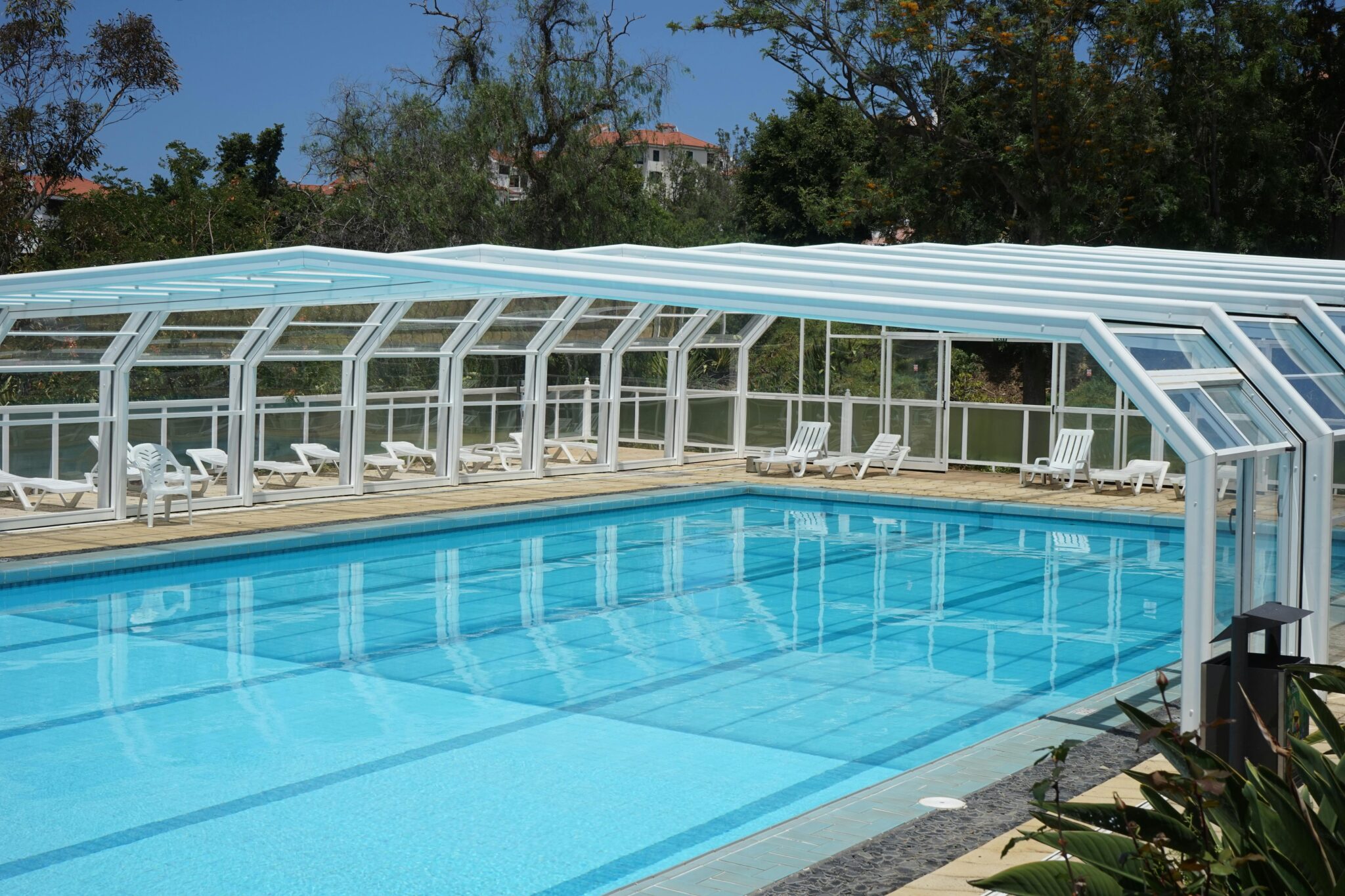
Understanding the various types of incidents associated with swimming pools is crucial for those seeking the assistance of a pool drowning lawyer in Virginia. Drownings can occur in both private and public pools, with victims ranging from young children to adults. Common incidents include non-fatal drownings and both dry and secondary drowning, where individuals may experience complications long after an initial scare in the water. The legal landscape surrounding these cases can be complex, often requiring the experience of a dedicated drowning attorney to navigate the nuances of Virginia water safety regulations and liability. Awareness of these factors creates a foundation for understanding the importance of hiring a knowledgeable pool drowning lawyer in Virginia to advocate for victims and their families.
Pool drownings occur frequently due to various preventable factors. One major cause stems from pool drain accidents, which can ensnare swimmers and lead to tragic outcomes. In Virginia Beach and throughout Virginia, personal injury attorneys have seen cases where victims, often children, become entrapped. Understanding the risks associated with these incidents is crucial for swimmers and their families to prioritize safety. Pool drowning lawyer Virginia provides vital support in seeking justice for those affected by such accidents.
Lack of supervision is another common cause of pool drownings, particularly in public pools where swimmers may not receive adequate attention from lifeguards. Personal injury attorneys often note that negligence plays a significant role in these cases. Incidents can arise quickly, with even the most vigilant swimmers at risk of drowning in an uncontrolled environment. Pool drowning lawyer Virginia helps victims and their families navigate the complexities of litigation, ensuring accountability for those responsible for maintaining safe swimming conditions.
Pool accidents can lead to serious legal repercussions for property owners. A pool drowning lawyer in Virginia can help victims and their families navigate the complex legal landscape that follows a drowning incident. Diving accidents often raise questions about liability and negligence. If a lifeguard's behavior or pool safety measures are found lacking, it can result in significant damage. Victims may seek legal counsel to file a lawsuit against responsible parties, which can include establishments like Splash Down Waterpark.
Legal fees can accumulate quickly in such cases, making it essential to hire a skilled attorney. Lawyers experienced in this field understand the intricacies of swimming safety regulations and can effectively advocate for the rights of those impacted. They assess each situation to determine the potential for compensation and work diligently to ensure victims receive fair treatment. With professionals like a pool drowning lawyer in Virginia by their side, families can pursue justice and seek financial recovery for their losses.
In Virginia, a pool drowning lawyer plays a crucial role in navigating the complex legal landscape surrounding water-related incidents. These attorneys often represent victims or their families in cases involving accidental death, whether at private pools, waterparks, or during diving activities. They assess liability by examining the actions of defendants, including lifeguards and pool owners, to determine whether negligence led to the tragic drowning. The process may involve filing wrongful death suits in court, where a thorough understanding of legal standards is essential. A skilled pool drowning lawyer in Virginia calculates damages based on various factors, ensuring victims receive fair compensation for their loss.
Drowning attorneys play a crucial role in helping victims and their families navigate the legal complexities following a drowning incident. A pool drowning lawyer in Virginia will investigate the circumstances surrounding pool drownings, including potential negligence or unsafe conditions in and around Virginia swimming pools. They often gather evidence and witness statements to build a strong case. Accidental drowning lawyers also advocate for their clients in negotiations with insurance companies, aiming to secure fair compensation for medical expenses, emotional distress, and other damages related to the Virginia swimming pool accident.
Representing clients in court can also be a significant responsibility for drowning attorneys, especially in cases involving wrongful death or severe injuries from drowning incidents. A pool injury lawyer may encounter cases of non-fatal drowning experiences and must prepare for the possibility of trial if a settlement cannot be reached. This legal representation is essential for victims seeking justice. Understanding the unique aspects of drowning and watercraft incidents is vital for an effective pool drowning lawyer in Virginia. Each case presents its own challenges, and knowledgeable attorneys are equipped to handle these complexities with experience.
Accidental drowning lawyers meticulously assess the specifics of each case to determine liability and potential claims. They examine various factors, such as the circumstances surrounding the drowning accident, safety protocols in place, and the presence of lifeguards. In cases of unintentional drowning or non-fatal drowning incidents, the pool drowning lawyer Virginia evaluates the actions taken by pool owners and supervisors to ascertain if they adhered to safety regulations. This analysis aids in understanding whether negligence contributed to the drowning injuries suffered by the victim.
Pool injury attorneys leverage their experience to uncover evidence and witness testimonies that highlight negligence or fault. In situations where a drowning victim survives but faces long-term effects from partial drowning, these lawyers explore compensation for the victim's injuries, pain, and suffering. They also consider the emotional toll on families affected by pool deaths, strengthening the case for those pursuing justice after an unintentional drowning incident. By focusing on these key elements, pool injury lawyers build a solid foundation for legal claims related to drowning accidents.
Selecting the right legal representation is crucial for those affected by pool accidents. A qualified pool drowning lawyer in Virginia can significantly impact the outcome of cases involving non-fatal drowning victims or fatal drowning victims. Understanding the nuances of unintentional drowning accidents, whether from swimming pool accidents or non-swimming-related drownings, is essential for effective legal advocacy. Victims and their families need experienced Virginia injury attorneys who comprehend drowning facts and the complexities of pool claim processes. These lawyers will leverage their experience in navigating pool accident cases to secure justice and appropriate compensation for affected individuals suffering from the consequences of unintentional drownings.
Selecting a pool drowning lawyer in Virginia involves evaluating their experience with pool accident claims. Look for an attorney who specializes in pool injury cases and understands the intricacies of the law concerning swimming pool facilities. Knowledge of local regulations regarding pool owners, pool covers, and safe pool area requirements can significantly impact the outcome of your case. An attorney familiar with the complexities of pool accidents will be well-equipped to navigate the legal landscape and represent your interests effectively.
Consider the lawyer's track record in similar pool injury cases, particularly those involving pool drains or swimming pool operator negligence. Assessing their past results can provide insight into their ability to secure favorable settlements or verdicts for clients. Communication style is also critical; you want a pool-drowning lawyer in Virginia who is responsive and willing to discuss your concerns. This level of engagement will help ensure that your pool accident claim is handled with the necessary diligence and experience.
Choosing the right pool drowning lawyer in Virginia can significantly affect the outcome of your case. One important question to ask is about their experience with similar incidents. A lawyer familiar with Virginia law related to pool drownings will be better equipped to navigate the complexities of a case where a victim drowns in a community pool or a private pool. Understanding their experience in representing clients impacted by Virginia boat accidents can also provide insights into their ability to handle boating-related drowning cases that may occur near water parks or recreational facilities.
Another critical area to explore is their familiarity with safety regulations that pool owners must follow. Inquire how they approach cases involving public pool owners and compliance with pool safety campaigns. A deep understanding of the legal standards governing the entire pool area is essential for preparing a strong case. Potential swimming pool accidents and the nuances of liability related to various pool areas require a thorough examination by a knowledgeable attorney. A specialized pool drowning lawyer in Virginia can guide you through these complexities effectively.
Victims of swimming accidents often face severe emotional and financial challenges following a pool drowning incident. For families affected by tragedies like an adult drowning at a home pool or an accident involving a submerged object, seeking a pool drowning lawyer in Virginia can be crucial. Many homeowners or pool operators may neglect safety regulations, particularly concerning pool drains or proper maintenance at facilities like the Old Town Pool. Experienced swimming accident and personal injury attorneys understand the complexities of these cases and help victims navigate the legal landscape to seek compensation. A knowledgeable injury lawyer can assess how the negligence of pool owners and operators led to the unfortunate incident, ensuring that victims receive the justice they deserve.
Victims of pool accidents may be entitled to various types of damages, particularly when negligence is involved. For instance, a pool drowning lawyer in Virginia can help pursue compensation for injuries resulting from a faulty pool drain or excessive pool chemicals. Communities may also bear responsibility if a swimming facility fails to maintain safety standards, creating a dangerous environment for novice swimmers. Dedicated injury lawyers understand the nuances of these cases and work diligently to secure appropriate compensation for water accident victims.
Damages can cover medical expenses, lost wages, and emotional distress caused by the tragedy. A liability attorney or injury attorneys specializing in pool incidents evaluate the circumstances surrounding each case. This includes the role of the pool service provider and pool maintenance practices at facilities like community center pools. By assessing all factors, a pool drowning lawyer in Virginia strives to ensure victims receive just compensation for their losses.
Drowning attorneys in Virginia analyze various factors to determine compensation for victims and their families. They assess medical expenses related to injuries sustained from incidents involving pool chemicals, such as pool chlorine exposure. The type of pool involved also plays a crucial role; for instance, injuries at apartment swimming pools or inflatable pools differ in legal considerations. Experienced injury lawyers understand these nuances and can effectively advocate for victims affected at local pools, like the Curtis Park Pool and Warwick Pool, where accidents often occur due to many dangers pools present.
Calculating compensation also involves considering the emotional suffering experienced by victims and their families. Experienced attorneys evaluate the long-term impact of drowning incidents, including potential loss of income and lifestyle changes. For Virginia individuals, having a dedicated accident attorney is essential to navigate the complexities of these cases. A pool drowning lawyer in Virginia is well-equipped to factor in both tangible and intangible losses, ensuring that the full scope of damages is addressed in their claims. Each case requires a tailored approach to achieve justice and appropriate compensation for those affected by tragic pool drowning incidents.
Understanding preventative measures and safety regulations is crucial for reducing the risk of water accidents in various pool settings like the Franklin Park pool, community pools, and backyard swimming pools. Unfortunately, many water accidents occur due to factors such as pool drain malfunctions or inadequate supervision. Experienced Virginia premises liability attorneys highlight the responsibility of pool owners to implement strict safety protocols to prevent tragedies. In Virginia Beach, specific regulations require pool owners to prioritize safety to minimize the potential for drowning incidents. Courts recognize the importance of compliance with these regulations, particularly when it comes to seeking compensation for TBI victims and other affected individuals. A qualified pool drowning lawyer can provide invaluable assistance in navigating the complexities of these cases, ensuring that victims receive the compensation Virginia courts may grant for negligence.
Proper pool safety protocols are essential to preventing tragic incidents like drownings and other common water injuries. Many Virginia families invest in features such as pool ladders and barriers to enhance safety for their young swimmers. Organizations like the USA Swimming Foundation emphasize the importance of providing proper supervision and establishing guidelines for safe swimming practices. Implementing these protocols not only protects individuals but also lowers the risk of water-related accidents, which can lead to serious legal implications and the need for a pool drowning lawyer.
Legal advice is crucial for pool owners to ensure compliance with safety standards that can help mitigate potential liabilities. Federal courts often refer to established safety measures in aquatic accidents when determining negligence or fault. By understanding the legal framework surrounding pool components and their maintenance, families can take proactive steps to safeguard against water injuries. Engaging with a pool drowning lawyer can provide valuable insights and assist in setting up effective safety protocols that protect both the swimmers and the property owners.
Pool owners in Virginia must adhere to specific legal standards to ensure safety and minimize the risk of accidents. This includes maintaining the pool area, providing enough lifeguards during family swimming events, and implementing safety protocols. Experienced attorneys often highlight many cases of neglect that lead to water-related injuries or even fatalities. For example, famous diving accidents demonstrate that properly trained personnel are crucial to preventing tragedies and protecting swimmers.
Liability law plays a significant role in pool drowning cases. Owners may be held liable for accidents if they fail to meet safety regulations. A pool drowning lawyer in Virginia can offer legal experience to navigate the complexities of these cases, considering factors such as the adequacy of safety measures and supervision. Knowledgeable attorneys evaluate incidents involving kids' swim activities and boating accidents, ensuring that victims receive the compensation they deserve for their suffering.
Analyzing case studies of pool drowning incidents reveals critical insights into the factors that contribute to these tragic events. A pool drowning lawyer in Virginia often highlights the importance of proper safety measures at aquatic facilities, such as adequate lighting and vigilant supervision during swim hours. These cases frequently involve witnesses who can provide key testimonies about the circumstances leading up to the accident, including diving incidents and the condition of the water. Legal representation in these matters can be greatly informed by trial experience, allowing attorneys to gather evidence effectively and navigate the complexities of the legal system. Through first-hand litigation, drowning lawyers can address various legal implications that arise in these heartbreaking situations, advocating for victims and their families within the context of the aquatic centers' responsibilities.
If you are involved in a legal matter related to non-fatal drownings, such as a swimming pool injury or an incident at an aquatic facility, it's important to contact experienced accident attorneys who specialize in Virginia drowning cases. They can assist with various aspects of your case, including potential wrongful death claims if someone has unfortunately drowned or if there are issues with residential pools. An attorney can help you navigate the complexities of the situation, whether it involves personal watercraft incidents, poolside injuries, or other pool injuries. Be sure to gather any evidence related to the incident, including witness accounts and details about the pool owner’s responsibilities, to strengthen your case.
A pool drowning lawyer in Virginia can provide valuable insights into the risks associated with dry drowning and accidental drownings, particularly in environments like swimming pool facilities and Virginia water parks. They can explain the responsibilities of the pool owner in safeguarding against such incidents and offer advice based on their first-hand litigation experiences. If an adult drowns or if there is a non-fatal drowning accident, understanding the legal implications is crucial, and having an attorney knowledgeable in aquatics can be beneficial in pursuing claims or addressing safety concerns, including the importance of proper pool light installation for visibility.
In Virginia Beach, pool owners have several important responsibilities to ensure safety at their swimming pool facility. This includes regularly maintaining the pool, ensuring proper signage, and taking necessary precautions to prevent accidents. If a pool owner doesn’t adhere to these standards, they may face legal consequences, especially if there is a drowning incident that leads to personal injury claims. First-hand litigation by an experienced attorney can provide insight into the legal obligations of pool owners and the standards required in Virginia.
Having an attorney experienced in pool drowning cases can significantly assist you in navigating the legal requirements that Virginia Beach requires for such incidents. They can provide first-hand litigation experience to support your case and help ensure that your rights are protected throughout the process, making them an essential ally in your pursuit of justice.
Hiring an attorney land with experience in pool drowning cases can provide valuable assistance in navigating the complexities of first-hand litigation. They will help you gather evidence, build your case, and represent your interests effectively throughout the legal process.
After a drowning incident, prioritize emergency medical care by calling 911 immediately. Even if the victim appears to recover, seek medical evaluation for secondary drowning complications that can develop hours later. Document the scene, take photos, and gather contact information from witnesses. Preserve any evidence related to pool conditions, signage, or lifeguard presence. Contact a pool drowning lawyer in Virginia as soon as possible to protect your legal rights. Many families don't realize they have grounds for a claim until speaking with an attorney who understands Virginia water safety regulations and liability standards.
Yes, you may have grounds for a personal injury claim against a public pool facility in Virginia if negligence contributed to the drowning. Common negligent factors include inadequate lifeguard supervision, failure to enforce safety rules, improper drain design, or lack of required safety equipment. Public pools have specific legal obligations under Virginia law and federal regulations like the Virginia Graeme Baker Pool and Spa Safety Act. An experienced pool drowning lawyer in Virginia can evaluate whether the facility breached its duty of care. Each case is unique, so consulting with legal counsel familiar with Virginia premises liability and water safety standards is essential to understanding your options.
Secondary drowning, also called dry drowning, occurs when a person inhales water that causes complications hours or even days after the initial incident. Symptoms include persistent coughing, difficulty breathing, chest pain, lethargy, or sudden behavioral changes. This delayed response is particularly dangerous because families may not recognize the severity immediately. In Virginia drowning cases, secondary drowning claims often involve negligence by pools or facilities that failed to warn about these risks or provide adequate supervision and emergency response. Understanding secondary drowning is crucial when pursuing a pool drowning lawyer in Virginia, as it establishes the timeline and severity of injuries that justify compensation claims.
Virginia's statute of limitations for personal injury claims, including drowning cases, is generally two years from the date of injury. However, if the victim is a minor, the clock may not start until they reach the age of majority, potentially extending the filing deadline. For wrongful death claims resulting from drowning, the two-year limit applies from the date of death. These timelines are strict, and missing the deadline typically bars your claim entirely. A pool drowning lawyer in Virginia can clarify the specific deadline for your situation and ensure all paperwork is filed promptly. Time is critical, so contacting legal counsel immediately after a drowning incident protects your rights and preserves evidence.
Pool drowning cases in Virginia can involve various scenarios: drain entrapment accidents, inadequate lifeguard supervision, failure to enforce safety rules, improper pool maintenance, lack of required safety equipment, or negligent instruction. Both private and public pool facilities can be held liable if their negligence contributed to the drowning. Compensation may cover medical expenses, lost wages, pain and suffering, and in wrongful death cases, funeral costs and loss of companionship. The specific damages depend on the circumstances and severity of injury. Consulting with a pool drowning lawyer in Virginia helps identify all liable parties and determine the full value of your claim based on Virginia premises liability law.
Private pool owners in Virginia have a legal duty to maintain safe premises and warn visitors of known hazards. Liability depends on whether the owner was negligent—for example, failing to maintain proper drain safety, not supervising adequately, or allowing unsupervised access by children. Virginia law recognizes the 'attractive nuisance' doctrine, which may hold owners liable for injuries to trespassing children if the pool is an obvious attraction. Homeowner's insurance typically covers some drowning-related claims, though coverage limits vary. Understanding your liability exposure as a pool owner or pursuing compensation as an injured party requires knowledge of Virginia property law. An attorney experienced in pool drowning cases can clarify your specific situation and rights.
Proving negligence in a pool drowning case requires establishing four elements: duty of care, breach of that duty, causation, and damages. Evidence includes surveillance footage, witness statements, lifeguard records, pool maintenance logs, safety inspection reports, and expert testimony about Virginia water safety standards. Documentation of inadequate supervision, missing safety equipment, or improper drain design strengthens your claim. Medical records establishing the drowning and resulting injuries are essential. Photographs of pool conditions and signage are valuable. An experienced pool drowning lawyer in Virginia knows which evidence is most compelling and can work with investigators and experts to build a strong case. Early evidence preservation is critical, as memories fade and records may be lost.
Most pool drowning lawyers in Virginia work on a contingency fee basis, meaning you pay no upfront costs and the attorney receives a percentage of your settlement or verdict only if you win. This arrangement ensures access to legal representation regardless of financial circumstances. Contingency fees typically range from 25% to 40% depending on case complexity and whether litigation is necessary. Some attorneys may advance costs for expert witnesses, investigations, and court filings, recovering these expenses from your award. Always discuss fee structures, potential costs, and payment terms during your initial consultation. Reputable attorneys provide transparent pricing and detailed engagement letters before proceeding with your pool drowning case.
Lifeguards have a critical responsibility to actively monitor swimmers and respond quickly to emergencies. In Virginia, lifeguards must meet specific training and certification requirements, including CPR and first aid certification. They should maintain clear sightlines, enforce pool rules, and conduct regular surveillance without distractions. Negligent lifeguarding—such as being absent, distracted, or untrained—is a common factor in drowning cases. If a lifeguard failed to notice a struggling swimmer or delayed emergency response, this constitutes negligence. Facilities may also be liable for inadequate lifeguard staffing or insufficient training. When investigating a pool drowning case in Virginia, attorneys examine lifeguard protocols, training records, and incident response to establish whether negligence contributed to the tragedy.
Yes, drain entrapment accidents are a serious basis for litigation against pool facilities in Virginia. The Virginia Graeme Baker Pool and Spa Safety Act requires pools to have anti-entrapment drain covers and backup systems to prevent suction injuries. Facilities that fail to install, maintain, or inspect these safety devices can be held liable. Drain entrapment can cause severe injuries or death, particularly in children. If a pool facility in Virginia violated federal or state safety regulations regarding drain protection, this establishes negligence. Victims and families have pursued substantial claims for drain-related injuries. An attorney handling pool drowning cases understands the specific technical and legal requirements for drain safety and can determine whether facility negligence occurred.
In a wrongful death drowning case in Virginia, compensation may include funeral and burial expenses, medical costs incurred before death, lost wages the deceased would have earned, loss of companionship and emotional support, and punitive damages in cases of gross negligence. The amount depends on the victim's age, earning potential, and relationship to surviving family members. Virginia law allows certain family members—spouses, children, and parents—to recover damages. Calculating fair compensation requires understanding both economic losses and the immeasurable pain of losing a loved one. An experienced pool drowning lawyer in Virginia works with financial experts and understands how courts value these claims. Pursuing a wrongful death claim honors the victim's memory and holds negligent parties accountable.
Proving pool facility negligence in Virginia involves demonstrating that the facility owed a duty of care, breached that duty, and caused injury as a result. Documentation is key: obtain incident reports, surveillance footage, maintenance records, lifeguard schedules, and safety inspection reports. Expert witnesses—such as pool safety consultants or medical professionals—can testify about industry standards and how the facility fell short. Witness statements from other swimmers or staff strengthen your case. Compare the facility's practices against Virginia water safety regulations and national standards. Many negligent practices are obvious: no lifeguard present, broken safety equipment, or inadequate supervision. An attorney familiar with pool drowning cases in Virginia knows how to systematically gather evidence and present it persuasively.
Non-fatal drowning occurs when a person survives a water-related incident but may suffer brain damage, permanent disability, or long-term health complications. These cases often involve secondary effects like hypoxic brain injury, which can result in cognitive impairment, physical disabilities, or behavioral changes. In legal terms, non-fatal drowning claims typically seek compensation for medical treatment, rehabilitation, ongoing care, lost earning capacity, and pain and suffering. The injury may be immediately apparent or develop over time. Wrongful death cases involve fatal drowning where the victim does not survive. Both types of pool drowning cases in Virginia require proving negligence, but non-fatal cases often involve higher lifetime care costs. An attorney can evaluate the long-term impact of non-fatal drowning and pursue appropriate compensation.
Yes, absolutely. Always consult with a pool drowning lawyer in Virginia before accepting any settlement offer from a pool facility, insurance company, or liable party. Initial offers are frequently far below the true value of your claim. Insurance adjusters are trained to minimize payouts, and you may not fully understand the long-term costs of your injuries or losses. An experienced attorney can evaluate whether the offer adequately covers medical expenses, future care, lost wages, and pain and suffering. They can negotiate on your behalf to maximize compensation. Many families regret accepting quick settlements without legal counsel. A qualified pool drowning lawyer in Virginia protects your interests and ensures you receive fair compensation for your losses and suffering.
Virginia pools must comply with state and federal regulations, including the Virginia Graeme Baker Pool and Spa Safety Act, which mandates anti-entrapment drain covers, backup drain systems, and proper signage. Facilities must maintain water quality standards, conduct regular safety inspections, and employ trained lifeguards during operating hours. CPR and first aid equipment must be readily available. Pools must have clear emergency procedures and adequate supervision ratios. Private pools should have proper fencing, gates, and warning signs. Failure to meet these requirements constitutes negligence in a pool drowning case. When investigating a drowning incident in Virginia, attorneys examine whether the facility complied with applicable regulations. Violations often establish liability and strengthen claims for compensation.
Pool drowning cases in Virginia typically take between one to three years to resolve, depending on complexity, liability clarity, and whether settlement negotiations succeed or litigation becomes necessary. Cases involving clear negligence and cooperative insurance companies may settle within months. Complex cases requiring expert testimony, multiple defendants, or disputed facts take longer. The discovery process, where both sides exchange evidence, can extend timelines. If your case goes to trial, add several additional months. During this time, your attorney gathers evidence, negotiates with insurers, and prepares for potential litigation. While waiting for resolution is emotionally difficult, rushing into a poor settlement is worse. A pool drowning lawyer in Virginia manages the timeline professionally and keeps you informed throughout the process.
When hiring a pool drowning lawyer in Virginia, seek an attorney with specific experience handling drowning and water safety cases, not just general personal injury work. Verify they understand Virginia premises liability law, water safety regulations, and the medical complexities of drowning injuries. Ask about their track record: how many cases have they won, what settlements or verdicts did they achieve, and do they have client testimonials? Ensure they work on contingency so you pay nothing upfront. Choose someone who communicates clearly, returns calls promptly, and treats your family with compassion. Many reputable firms offer free initial consultations. Interview multiple attorneys before deciding. The right pool drowning lawyer in Virginia combines legal skill with genuine commitment to your family's justice and recovery.
Yes, swimming instructors in Virginia can be held liable for drowning if they were negligent in their duties. Instructors have a responsibility to provide proper supervision, use appropriate teaching methods, assess student skill levels accurately, and respond quickly to emergencies. Negligence might include leaving students unattended, failing to recognize signs of distress, inadequate CPR training, or placing students in situations beyond their abilities. Liability may extend to the facility where instruction occurred if they failed to maintain safe conditions or ensure instructor qualifications. Both the instructor and the facility can potentially be named defendants in a pool drowning case. Pursuing a claim requires evidence of the instructor's breach of duty and how that breach caused the drowning. An attorney experienced in pool drowning cases in Virginia can evaluate instructor negligence.
Virginia follows a modified comparative negligence rule, meaning you can still recover compensation even if the victim bears some responsibility, as long as the victim is less than 50% at fault. If the victim is found 50% or more at fault, recovery is barred. For example, if a child ignored pool rules but the lifeguard was also negligent, both parties may share fault. Your recovery would be reduced by your percentage of fault. In drowning cases, victims are often children or individuals with limited ability to assess danger, so facilities bear primary responsibility for safety. Insurance companies and defendants frequently argue victim negligence to reduce their liability. An experienced pool drowning lawyer in Virginia counters these arguments and ensures fair allocation of fault. Comparative negligence rules require skilled legal representation to maximize your recovery.
Immediately after a pool drowning incident in Virginia, preserve all documentation: medical records, emergency room reports, ambulance records, and ongoing treatment documentation. Photograph the pool area, safety equipment, signage, and any hazards. Obtain the incident report filed by the facility. Collect contact information and statements from all witnesses, including other swimmers, staff, and lifeguards. Request surveillance footage from the facility before it's deleted—retention policies vary. Keep records of all expenses: medical bills, travel costs, lost wages, and rehabilitation expenses. Document the victim's symptoms, recovery progress, and any long-term effects through photos and journals. Preserve your own communications about the incident. Do not discuss the drowning on social media, as posts can be used against you. Early preservation of evidence strengthens your pool drowning case in Virginia significantly.