There are numerous well-known hazards that can bring harm or cause the death of swimmers whenever they're in or around bodies of water. Nevertheless, very few individuals ever consider the possibility of being electrocuted while swimming.
The fact of the matter is that yes, you can get electrocuted in a pool. Likewise, swimmers can also be subjected to deadly electrical currents when swimming around docks that are improperly wired. According to the US Consumer Product Safety Commission, 33 shock-related pool and spa deaths were reported from 2002-2018.
Regrettably, the true number of freshwater and pool electrocution deaths may be much higher than what official reports state. This is due to the fact that many electrocuted swimmers are killed by what is known as electric shock drowning (ESD)
Electric shock drownings occur when alternating currents (AC) of electricity are present in a body of water usually due to broken or faulty equipment that is present near the water. When this current goes through a swimmer's body, their muscles become paralyzed due to the electrical activity and they are no longer able to swim. As can be expected, without being able to swim and maintain one's head above water, a swimmer will quickly drown.
What is most unfortunate about ESD deaths is the fact that they leave very little trace behind. Unless someone witnessed the drowning, or if they sensed the electricity in the water when they attempted a rescue, then the death is likely to be ruled an ordinary drowning.
With ESDs, no visible injuries are left on the body. Electrocution injuries are quite visible when they occur outside of the water given the fact that the skin will often burn at contact points i.e. hands, feet, etc... However, in the case of electric shock drownings, since the entire body of the victim is submerged, there is no single point of entry of the electrical current into the body.
Electric shock drownings usually take place in private docks and marinas where a source of electricity can be found near the water.
These settings are prime for accidents involving electrocutions in water because individuals will often swim close to the dock where live wiring (such as for lights) is installed. Additionally, in private marinas, boats will often be 'plugged in' while they are tied up to the dock since they must continuously power bilge pumps to stay afloat.
Whether it is due to faulty insulation or simply poor maintenance, the current will flow from the faulty wire or boat, through the water where unsuspecting swimmers are, and into the ground.
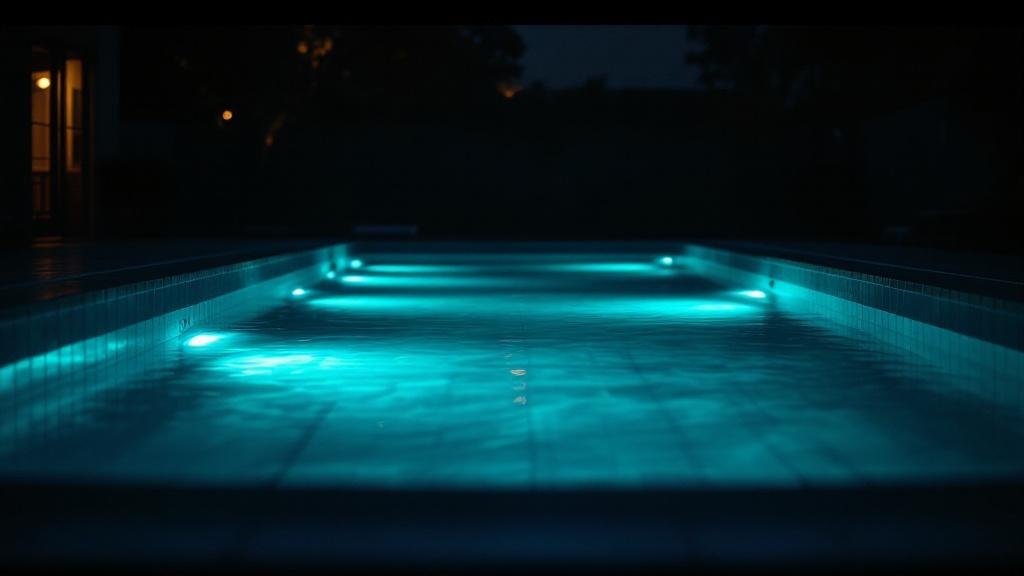
Swimming pools can also serve as a prime environment for electrocutions in water. Pools will often have underwater lighting as well as nearby wiring for pumps and other electrical devices required to keep the pool running. Any kind of inadequate wiring/bonding installation, lackluster grounding, or poor upkeep can create a direct link between a source of electricity and the water itself, turning a fun pool into a deadly body of water.
It's only normal to wonder about ways of testing water for electric currents before jumping in, whether referring to a neighborhood pool or lake. However, avoiding such electrocution incidents is not so simple.
In many instances where water electrocution accidents occur, the current that caused the ESD was intermittent and not constant. This is to say, it's possible that at the moment that the swimmer entered the water, the current was not present. However, once swimming, the current begins to flow and the victim drowns only for the current to cease once more.
Moreover, currents running through water may be quite low in power, so much so that they are not initially sensed. An individual may inadvertently swim closer to the electric current and become "trapped," unable to swim away because they've been paralyzed by the current.
It should go without saying that, if at any point during a leisurely swim you feel a tingling sensation, then you should exit the water immediately. Unfortunately, most victims of water electrocutions don't get this chance.
When lives are lost or serious injuries take place, victims and their loved ones have the right to seek justice. There are construction, design, and maintenance standards put in place to avoid swimmers suffering from electrocutions in water. When these incidents do take place, it is very likely that someone's negligence caused it, and those affected have the power to pursue compensation.
The types of personal injury or wrongful death lawsuits that come after electrocutions in water can be very complex in nature. Hiring just any injury attorney to represent you and fight for your rights can prove fruitless.
For this reason, victims of freshwater and pool electrocution should consult a team of lawyers who has experience in this type of case. The team at AquaticAttorneys.com can help you find the experienced legal representation you need to establish a strong case for compensation.
Contact us today to schedule a free legal consultation in which you'll get to ask any questions you may have as well as learn more about the legal process and the validity of your claim. Don't delay as statutes of limitation may prevent you from achieving the compensation you and your loved ones deserve. Call now.
Electric shock drowning (ESD) occurs when alternating electrical currents enter a body of water, typically from faulty or broken equipment near the pool. When this current passes through a swimmer's body, it paralyzes their muscles, preventing them from swimming or keeping their head above water. This leads to rapid drowning. The tragedy of ESD is that it often leaves no visible injuries on the body, making deaths appear as ordinary drownings unless a witness observed the electrical incident or felt the current during a rescue attempt.
According to the US Consumer Product Safety Commission, 33 shock-related pool and spa deaths were officially reported between 2002 and 2018. However, the actual number of pool electrocution deaths is likely significantly higher because many cases are misclassified as ordinary drownings, particularly when electric shock drowning occurs. Since ESD leaves minimal physical evidence and often goes unwitnessed, true fatality rates remain underreported across the country.
Common warning signs of pool electrocution hazards include tingling sensations when entering the water, visible damage to pool equipment or wiring, exposed electrical cords near the pool area, malfunctioning pumps or filters, and corrosion on metal fixtures. Some swimmers report feeling a mild shock before experiencing full paralysis. If you notice any of these signs, exit the water immediately and do not re-enter until a licensed electrician has inspected and cleared the pool for safety.
Pool electrocution hazards extend beyond residential pools to public beaches, lakes, and freshwater bodies, particularly around docks and marinas with improperly wired electrical systems. Any body of water near faulty electrical equipment poses an electrocution risk. Swimmers at public facilities should be aware that electrical hazards can exist anywhere, not just in controlled pool environments. Aquatic Attorney has reviewed numerous cases involving electrocution incidents at public facilities and emphasizes the importance of facility maintenance and proper electrical installation standards.
Pool pumps, filters, heaters, and lighting systems are the primary culprits in pool electrocution incidents. Faulty underwater lights, damaged pool pump motors, and improperly grounded equipment create the most dangerous conditions. Older pools with outdated electrical systems face higher risks. Metal pool ladders, rails, and diving boards can also conduct electricity if nearby equipment is damaged. Regular professional inspection of all electrical components is essential to identify and correct potential hazards before they cause harm.
Pool electrical systems must comply with the National Electrical Code (NEC) and local building codes, which require proper grounding, GFCI (Ground Fault Circuit Interrupter) protection, and bonding of all metal components. A licensed electrician should conduct a comprehensive inspection to verify compliance. They'll check for proper installation of GFCI outlets, verify grounding systems, inspect equipment for damage, and ensure all wiring meets current standards. If your pool was installed more than 10-15 years ago, a professional assessment is particularly important to identify outdated or unsafe components.
GFCI (Ground Fault Circuit Interrupter) protection is an electrical safety device that instantly cuts power when it detects an imbalance in electrical current, such as when electricity begins flowing through a person's body. GFCI outlets are critical for pool safety because they can prevent electrocution by interrupting the circuit in milliseconds. All electrical outlets within 6 feet of a pool must have GFCI protection by code. Aquatic Attorney recommends verifying that your pool area has properly installed and regularly tested GFCI outlets, as this is one of the most effective defenses against pool electrocution incidents.
If you feel tingling, numbness, or any unusual electrical sensation while in the water, exit the pool immediately without delay. Do not re-enter the water and warn others to stay out. Contact a licensed electrician right away to inspect the pool's electrical system. If someone is experiencing muscle paralysis or appears to be drowning due to electrocution, call emergency services immediately. Never attempt a rescue by entering the water, as you could become a second victim. Once emergency responders arrive, they can safely address the situation.
Pool electrical systems should be professionally inspected at least once per year, ideally before the swimming season begins. Pools in areas with harsh weather, high humidity, or salt water environments may need more frequent inspections due to accelerated corrosion and equipment degradation. After any storm, visible damage, or equipment malfunction, an immediate inspection is warranted. Licensed electricians can identify early signs of wear, corrosion, or improper grounding that could lead to pool electrocution hazards before they become dangerous.
Yes, older pools typically face significantly higher electrocution risks. Pools installed before modern electrical codes were established often lack proper GFCI protection, have outdated grounding systems, and use corroded or deteriorated equipment. Electrical standards have evolved considerably over the past 20-30 years to address pool electrocution hazards. If your pool was built before 2000, a comprehensive electrical safety audit by a licensed professional is highly recommended. Aquatic Attorney has handled cases involving older pools where outdated electrical systems created dangerous conditions that could have been prevented with proper upgrades and maintenance.
Yes, pool electrocution can occur despite regular maintenance if the underlying electrical system is improperly installed or if critical safety devices like GFCI protection are missing or malfunctioning. Regular maintenance of pumps and filters is important, but it doesn't address fundamental electrical code compliance issues. A pool owner might maintain equipment perfectly while still lacking proper grounding, bonding, or GFCI outlets. This is why professional electrical inspections by licensed electricians are essential—they identify code violations and safety deficiencies that routine maintenance alone cannot catch.
Pool electrocution differs from typical electrical shock because water is a conductor that spreads electrical current throughout the body, affecting multiple muscle groups simultaneously. In water, even low-voltage currents can cause complete muscle paralysis, preventing swimmers from moving or keeping their heads above water. Regular electrical shocks outside water typically cause localized burns or muscle contractions. The aquatic environment makes pool electrocution uniquely deadly because paralyzed swimmers cannot escape and quickly drown. This is why electric shock drowning (ESD) is so difficult to detect and often goes unrecognized.
If a pool electrocution injury or death occurs due to negligent maintenance, improper electrical installation, or failure to meet safety codes, you may have grounds for a personal injury or wrongful death claim. Property owners have a legal duty to maintain safe electrical systems and comply with building codes. Aquatic Attorney specializes in electrocution accident cases and can evaluate whether negligence, code violations, or equipment failure contributed to the incident. Documentation of the electrical system's condition, maintenance records, and inspection history will be crucial in establishing liability and pursuing compensation for medical expenses, pain and suffering, or loss of life.
Start by having a licensed electrician inspect your pool's electrical system to verify GFCI protection, proper grounding, and code compliance. Install or upgrade GFCI outlets on all circuits serving pool equipment and nearby areas. Keep electrical cords and equipment away from the pool deck. Establish a rule that no one enters the pool if they feel any tingling or electrical sensation. Educate family members about the risks of pool electrocution and electric shock drowning. Maintain equipment regularly and address any damage immediately. Consider posting warning signs about electrical hazards near the pool area.
Public and private pool facilities must implement comprehensive electrical safety programs including regular professional inspections by licensed electricians, proper installation and testing of GFCI protection systems, and bonding of all metal components. Staff should receive training on recognizing signs of electrical hazards and emergency response procedures. Facilities must maintain detailed inspection and maintenance records and comply with all applicable electrical codes and regulations. Warning signs about electrical hazards should be posted prominently. Equipment should be replaced or upgraded as needed to meet current safety standards. Aquatic Attorney recommends that facility managers consult with qualified electrical professionals to develop and implement comprehensive safety protocols.
Both saltwater and freshwater pools can experience electrocution hazards, though the mechanisms differ slightly. Saltwater pools conduct electricity more readily than freshwater due to salt's conductive properties, potentially increasing risk. However, freshwater pools are equally dangerous when electrical equipment is faulty or improperly installed. The type of water is less important than the condition of the electrical system. Regardless of whether your pool is saltwater or freshwater, proper GFCI protection, grounding, bonding, and regular professional inspections are essential safety measures to prevent pool electrocution incidents.
Electricians inspecting pool systems should be licensed in their state and have specific training in pool and spa electrical safety. Look for professionals certified by the National Association of Certified Inspectors (NACI) or similar organizations, and those with demonstrated experience in pool electrical systems. They should be familiar with the National Electrical Code (NEC) Article 680, which governs pool wiring. Verify that the electrician carries proper liability insurance and bonding. Ask about their experience with pool electrocution hazard identification and their track record of successful inspections. Aquatic Attorney recommends requesting references and verifying credentials before hiring any professional for pool electrical work.
Pool electrical work should never be attempted as a DIY project. Improper installation of GFCI outlets or other electrical components can actually increase electrocution risks rather than prevent them. Pool electrical systems are highly regulated and must comply with strict codes that require licensed professionals. Mistakes in grounding, bonding, or circuit installation could create dangerous conditions. Always hire a licensed electrician with pool experience to install, upgrade, or repair any electrical components. While you can perform routine maintenance like cleaning equipment, all electrical work must be handled by qualified professionals to ensure safety and code compliance.
Maintain detailed records of all electrical inspections, maintenance, repairs, and upgrades performed on your pool system. Keep copies of inspection reports, permits, and code compliance certifications. Document the dates of GFCI testing and any issues identified. Retain receipts for equipment replacements and professional services. This documentation proves you've taken reasonable steps to maintain a safe pool and can be critical if an incident occurs. Aquatic Attorney emphasizes that comprehensive records demonstrate due diligence and can significantly impact liability in electrocution cases. Store these documents securely and update them annually or whenever work is performed on the electrical system.